A general desktop emulator (like xAI’s Macrohard, which emulates keystrokes, mouse movements, and screen interactions) could vastly expand beyond VBScript/Unix scripting, which are limited to command-line or basic API tasks.
Such a system automates any UI-based workflow without code changes or integrations, mimicking human behavior across apps (browsers, legacy software, ERPs).
What It Could Do — Automate 70-90% of repetitive digital work
Data entry, form-filling, report generation, customer support queries, file/folder management, and multi-app workflows (pulling data from Excel to email)
Emulator Support on AI4 Chip (100 TeraFLOPS)
Tesla’s AI4 (Hardware 4) chip is optimized for AI inference, with specs around 100-150 TOPS (Tera Operations Per Second) per dual-SoC system in INT8 precision (common for AI).
Each emulator (desktop instance) requires compute for:Screen reading (vision/OCR: ~1-5 TOPS).
Context maintenance (state, memory: 1-10 TOPS for small models like 7B params).
Actions (keystrokes/mouse: Minimal, but planning via AI: 5-20 TOPS per inference).
Assuming efficient optimization (as in xAI’s Macrohard on Tesla hardware)
Per Emulator Load: 5-50 TOPS, depending on complexity (simple tasks lower. With context/high-res screens higher). Efficiency comes from batching and low-power modes (AI4 runs at ~100-200W total).
Supported Desktops: 10-100 concurrent per AI4 chip, with context (multi-tasking across apps). At scale, Tesla’s fleet (idle vehicles) could host tens of millions.
Per-chip
Low-end (complex tasks): 10-20 desktops.
High-end (simple/repetitive): 50-100 desktops.
This enables cost-effective scaling ($0.01-0.10/hour per emulator), far below human labor, but bottlenecks include memory bandwidth and power.
Former XAI Employee Reveals Digital Human Capabilities
– Ex-XAI employee leaked major details in podcast interview, was terminated immediately after
– Digital human system can emulate any desktop/laptop interaction
– Types, clicks, operates software on user’s behalf
– “Ghost in the machine” performing tasks autonomously
– Goes beyond existing RPA tools ($8-30B market) that are fragile and require complex setup
Hardware infrastructure already deployed
– AI4 chips in Tesla vehicles provide ~100 teraflops (multiples of desktop power)
– 3 million Tesla cars in US could serve as inference machines
– Potential for 30 million virtual workers if 10:1 ratio achieved
Market Opportunity & Use Cases
– Target applications requiring substantial compute to justify $5 daily operating costs
– Low-hanging fruit automation opportunities:
1. Email/calendar integration with Tesla navigation
2. Scheduled queries on market/investment tracking
3. Voicemail processing and spam blocking
4. Form filling and online transactions
– Business model includes tiered pricing ($0-20 monthly) based on usage
– App store for skills/scripts where users monetize automation workflows
– Virtual workforce handling any “white collar” desktop work
Technical Implementation & Timeline
– Leverages existing Tesla AI4 hardware rather than waiting for AI5
– Separates intelligence from execution – organizer apps handle context while system performs typing/clicking
– Integration with Grok for real-world data queries and responses
– Expected launch by mid-2026 given hardware readiness and leaked timeline pressure
– Scale involves massive data centers plus distributed car-based compute
– Potential billions of virtual humans operating simultaneously
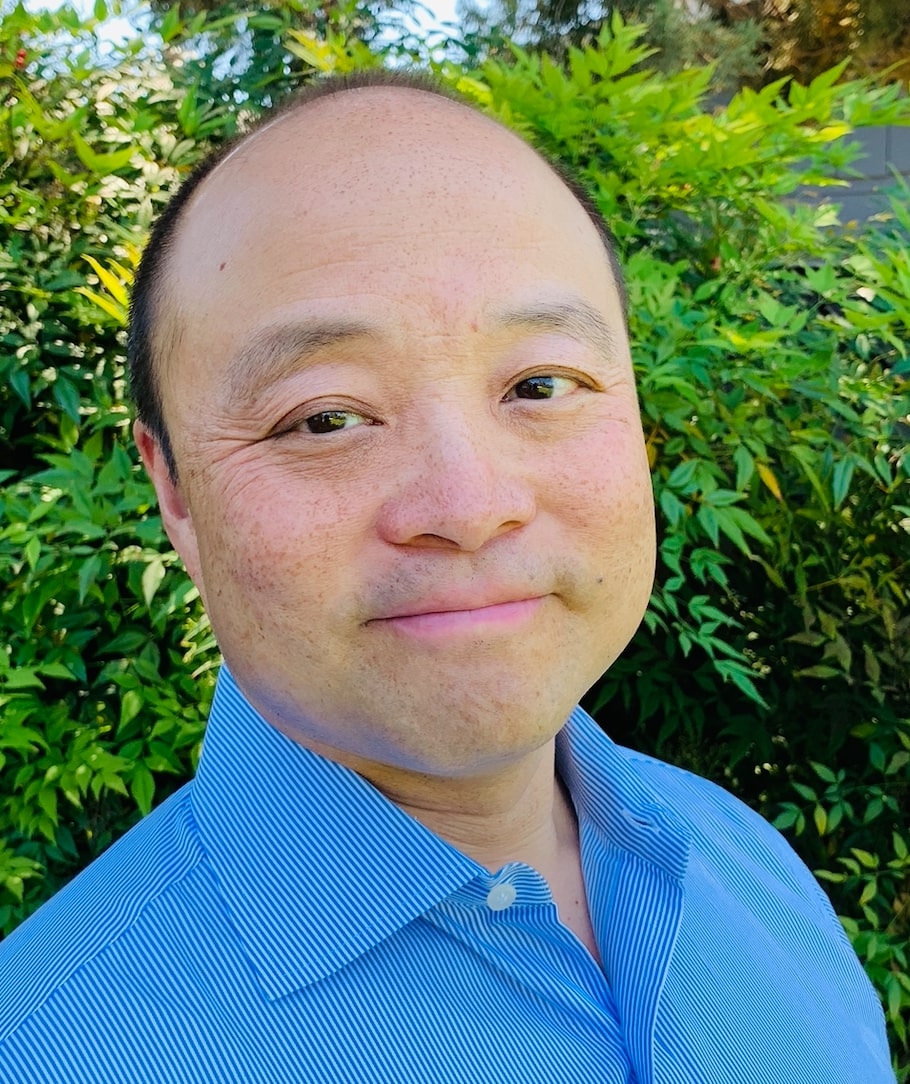
Brian Wang is a Futurist Thought Leader and a popular Science blogger with 1 million readers per month. His blog Nextbigfuture.com is ranked #1 Science News Blog. It covers many disruptive technology and trends including Space, Robotics, Artificial Intelligence, Medicine, Anti-aging Biotechnology, and Nanotechnology.
Known for identifying cutting edge technologies, he is currently a Co-Founder of a startup and fundraiser for high potential early-stage companies. He is the Head of Research for Allocations for deep technology investments and an Angel Investor at Space Angels.
A frequent speaker at corporations, he has been a TEDx speaker, a Singularity University speaker and guest at numerous interviews for radio and podcasts. He is open to public speaking and advising engagements.